


Cold evenings feel better with Cassoeula Milanese simmering on the stove, as pork ribs, sausages, and cabbage slowly cook into a rich stew.
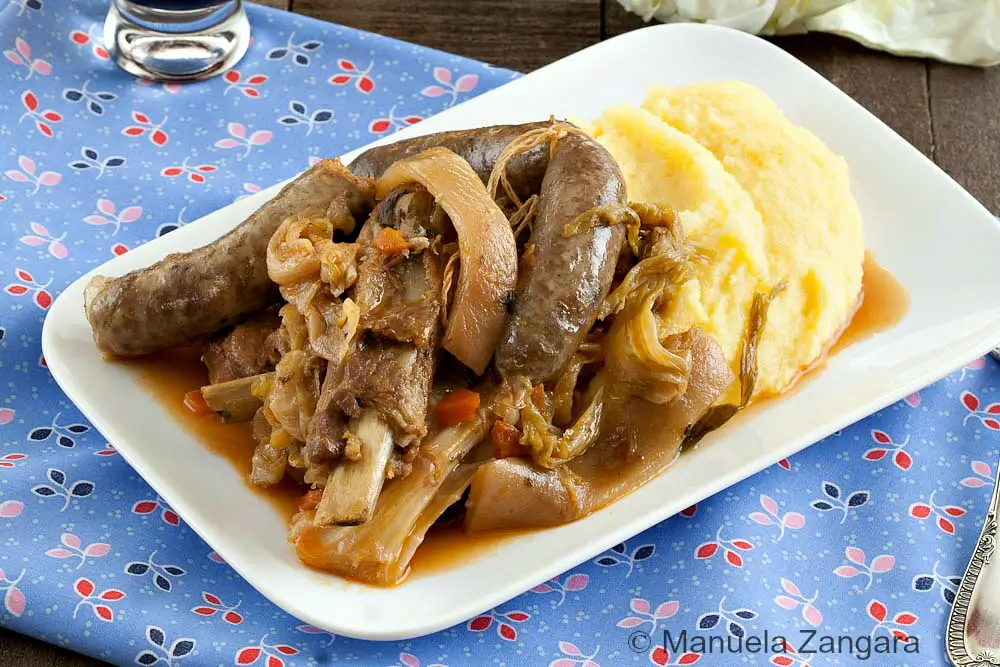
Cassoeula is one of the most iconic dishes from Milan, the city where I was born, and a true symbol of the city’s cuisine.
In fact, this is probably the dish I think of most when I think about cold winters. Many families serve it for Sunday dinner with soft and creamy polenta on the side.
I hadn’t made it in a while, as it doesn’t get very cold here. But after preparing some verzini sausages, I really felt like eating this.
If you like pork, sausages, and comfort food, this is the perfect stew for you. Try it and don’t forget to check out all my other Regional Italian recipes. Enjoy!
What is Cassoeula?
Cassoeula is a traditional pork and cabbage stew from Lombardy, especially associated with Milan. This iconic pork and cabbage dish is considered a true symbol of the city in its own rustic way, much like more refined dishes such as Risotto alla Milanese or Cotoletta.
Historically, cassoeula was prepared using the most perishable parts of the pig, including ribs, rind, ears, trotters, tail, and sometimes the snout.
These specialty cuts were cooked together with cabbage, aromatic vegetables, and a small amount of liquid, creating a nourishing winter meal for common folk.
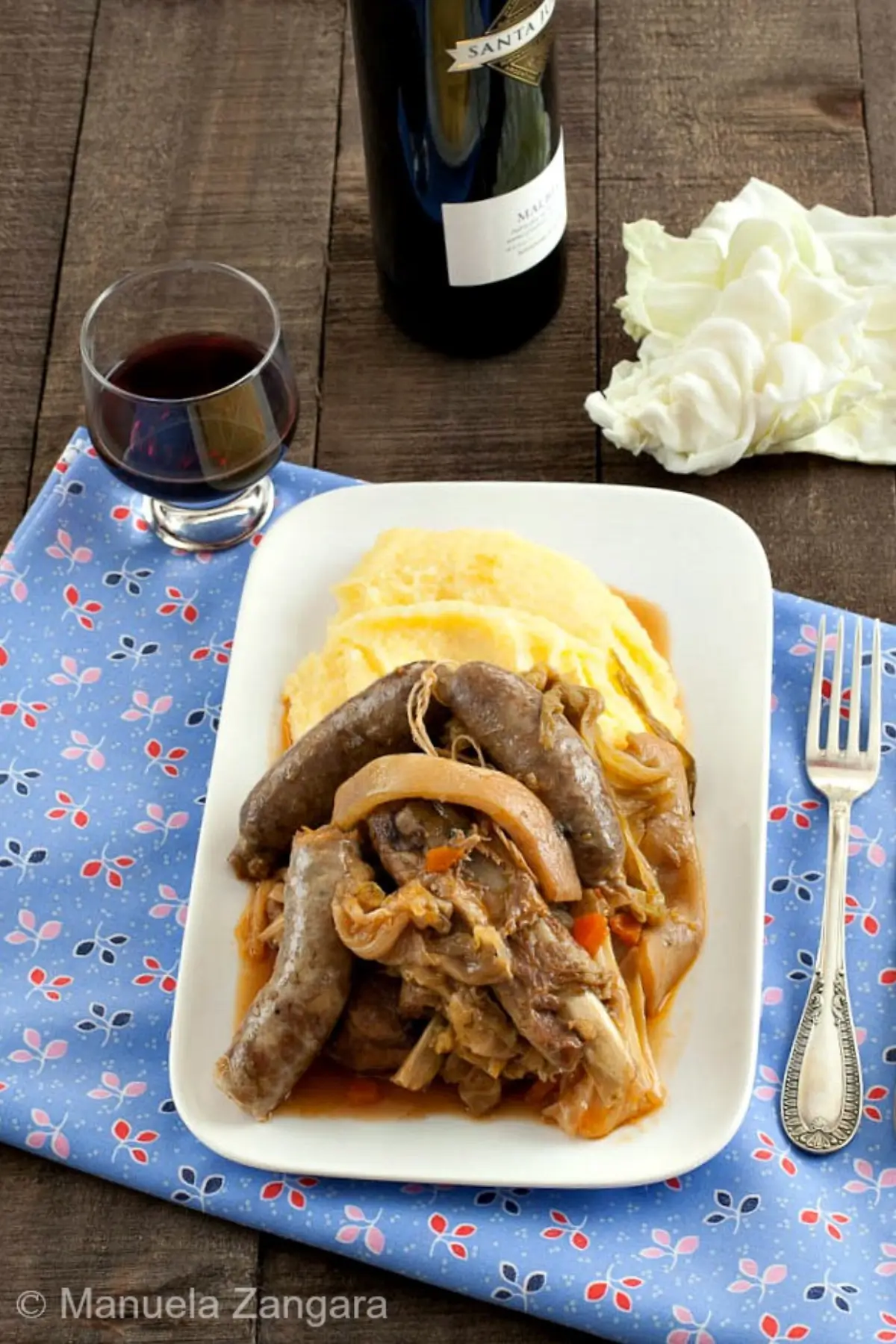
The dish is closely linked to late autumn and early winter cooking. Cassoeula traditionally appears after the Feast of Saint Martin on November 11, marking the beginning of the season after the first frost, and continues through winter until the Feast of Saint Anthony the Abbot in January.
During this time, and around several Catholic feasts, cassoeula often appears as a hearty Sunday dinner shared with family.
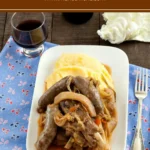
Cassoeula is usually served with soft polenta, which absorbs the rich sauce and turns the stew into a satisfying one-dish meal typical of Lombardy home cooking.
Why We Love Cassoeula Milanese
- Hearty pork and cabbage combination creates a filling meal that works well for cold-weather dinners.
- Leftovers taste even better the next day after the pork and cabbage sit in the broth overnight.
- Great option when cooking for a crowd because it scales up easily in a big pot.
Key Ingredients for Cassoeula
Pork Meats and Sausages
Cassoeula uses a mix of pork cuts that give the stew its rich, savoury taste. Pork ribs add tender meat, pork rind gives the broth a silky texture, and verzini with luganighe sausages bring the classic Milanese pork aroma.
Cabbage
Cabbage balances the richness of the pork with its mild, slightly sweet taste and soft texture. Savoy cabbage works especially well because the leaves are tender and delicate, though green cabbage works well too.
Onion, Celery, and Carrot
Onion, celery, and carrot add gentle sweetness and soft vegetable aromas that round out the richness of the pork. Choose fresh, firm vegetables with vibrant colour for the best taste and texture.
White Wine
White wine adds light acidity that keeps the stew balanced. A dry wine such as Pinot Grigio or Sauvignon Blanc works well and blends naturally with the pork.
Find the complete list with measurements in the recipe card below.
How to Make Cassoeula
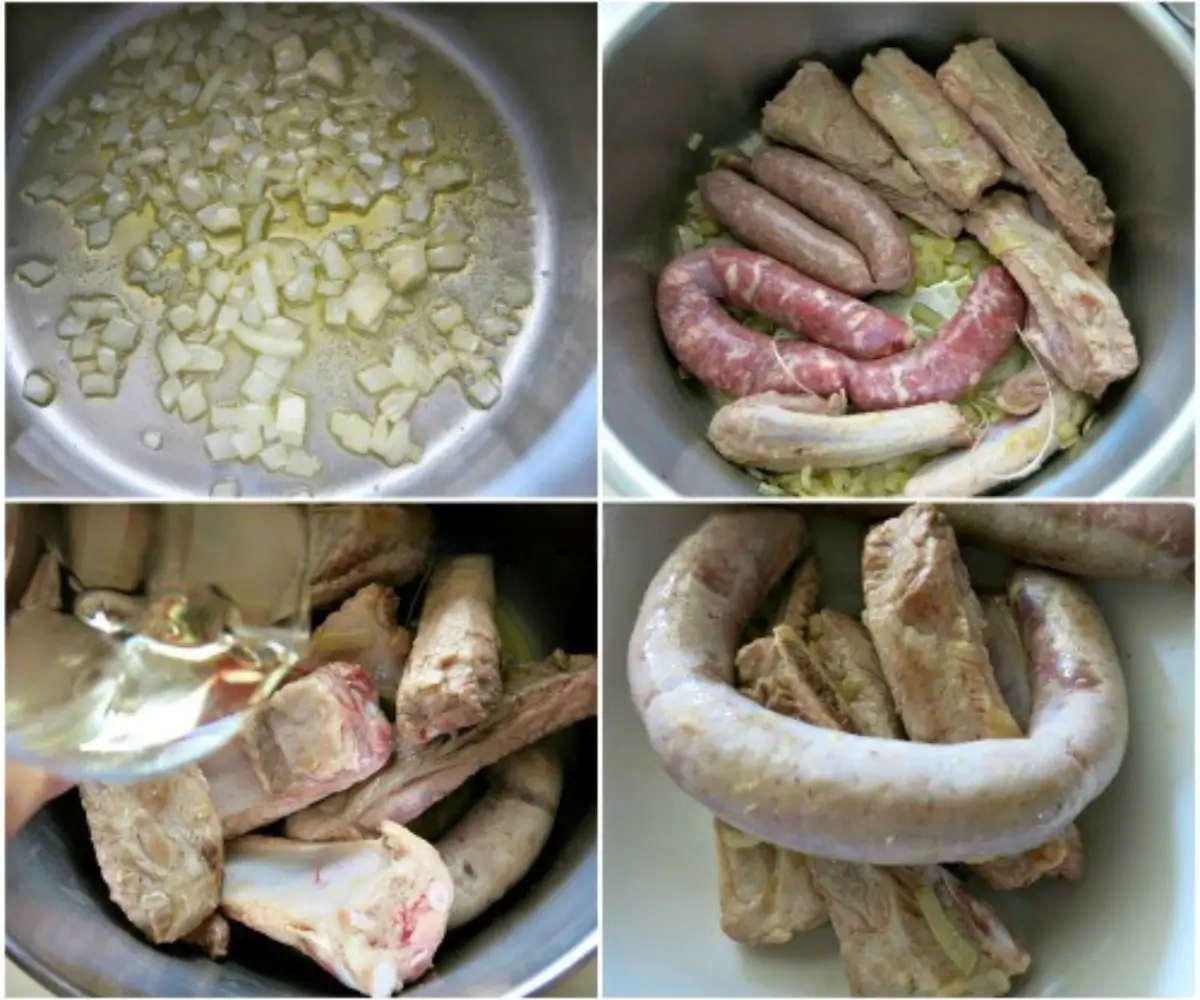
Step 1: Cook the pork rind in boiling water for 45 minutes, or until soft. Drain and dry with kitchen paper, then set aside.

Step 2: Wash and roughly shred the cabbage. Don't dry it. Put it in a pot, cover, and cook on low heat for 5 minutes to soften.

Step 3: In the meantime, sauté the chopped onion in the butter and extra virgin olive oil until soft. Add all the meat, apart from the rind, and brown well.
Step 4: Add the white wine and let the alcohol cook off. Then remove the meat and set it aside.
Step 5: Put the chopped celery and carrots in the same pot and fry until soft. Add the tomato purée, 1 tablespoon of water, and salt and pepper to taste, then cook for 3 minutes.
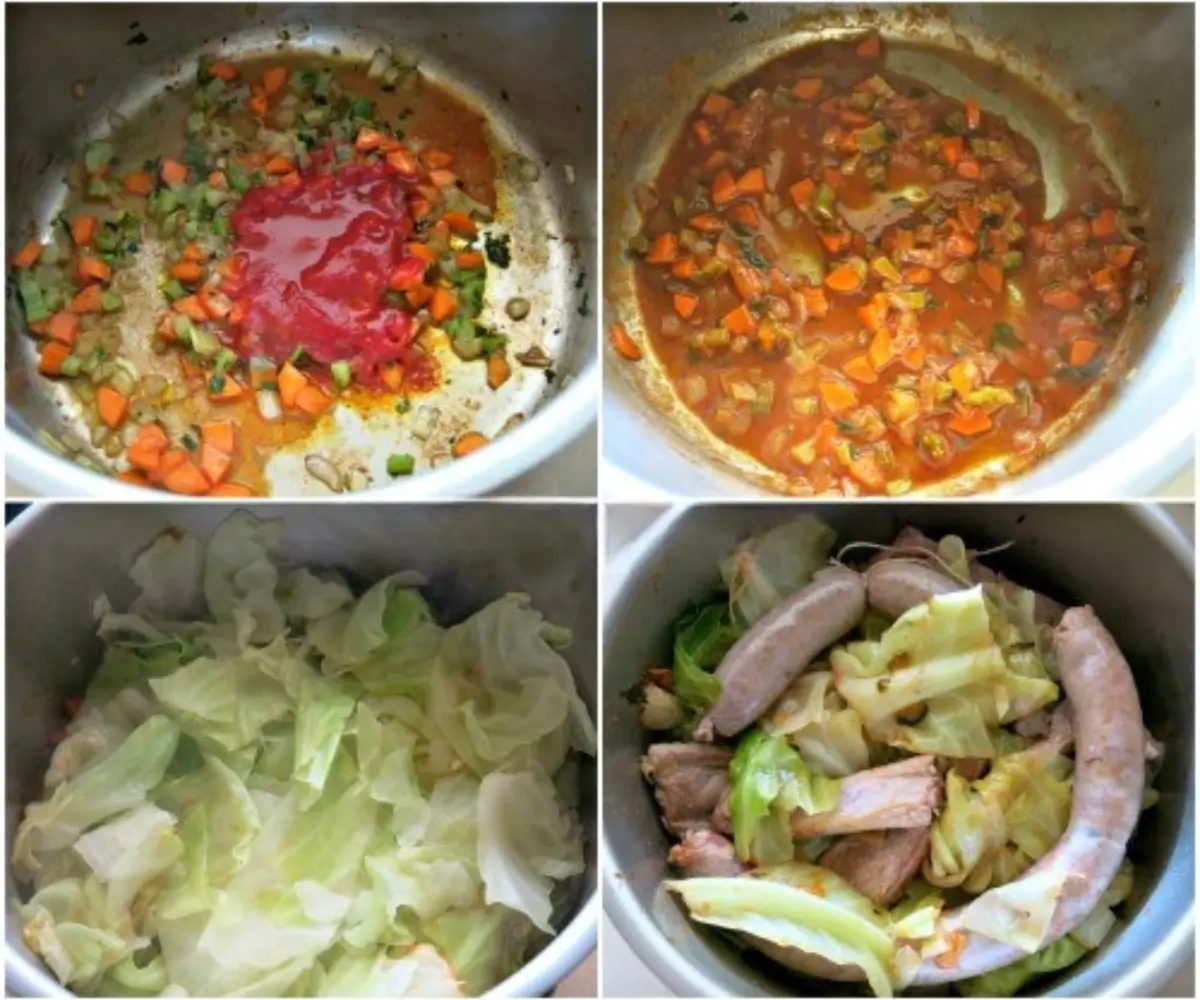
Step 6: Add the softened cabbage, then place the meat and pork rind on top.
Step 7: Mix and cook, covered, for about 1 ½ hours, or until the meat is tender and falls off the bone.
Step 8: Serve warm with soft polenta.

Frequently Asked Questions
Yes. The stew will still work with ribs and sausages alone, although the broth will be slightly lighter because the rind adds natural gelatin.
Besides pork ribs and sausages, traditional recipes may include pig’s ears, trotters, tail, or pork shoulder for extra richness. If using ears or trotters, boil them separately for about 1 hour first to soften them and remove excess fat.
Savoy cabbage is commonly used because its tender leaves cook well with pork. Regular green cabbage can also be used with good results.
Crusty Italian bread works well for soaking up the broth, and a simple green salad adds freshness to the meal.
Extra Help from the Kitchen
Skim Excess Fat if Needed – Pork ribs, rind, and sausages release fat as the stew cooks. Skimming a little from the surface halfway through simmering keeps the broth lighter and well-balanced.
Slice the Pork Rind Into Even Strips – Similar-sized pieces soften at the same rate and release gelatin more evenly into the stew.
Pierce Sausages Lightly if Very Tight – If the sausage casing feels overly tight, a small prick with a needle can prevent splitting during simmering while keeping them whole.
Brown the Meat Without Crowding – Give the ribs and sausages enough space in the pot so they brown properly and develop a deeper savoury flavour.
Use a Wide Pot – A wider pot allows the cabbage to spread out and cook more evenly with the meat instead of steaming in a tight pile.
Variations and Twists
Add Traditional Pork Cuts – Include pig’s ears, trotters, or tail along with the ribs and sausages for a richer stew with more gelatin and deeper pork richness.
Use Savoy Cabbage – Replace regular cabbage with Savoy cabbage for softer leaves and a slightly sweeter taste that pairs very well with pork.
Add Tomato Passata – Swap the tomato purée for a small amount of tomato passata to give the broth a deeper colour and fuller tomato taste.
Make a Simpler Pork Cassoeula – Prepare the stew using only pork ribs and sausages while keeping the cabbage and soffritto base the same.
Try a Goose Cassoeula – Replace some of the pork with goose for a regional Lombardy style that brings a richer taste and fuller meat flavour to the stew.
Storage and Shelf Life
Store Pork and Cabbage Stew leftovers in an airtight container in the refrigerator for up to 3 days once completely cooled.
For longer storage, freeze portions in freezer-safe containers for up to 2 months. Thaw overnight in the fridge before reheating. Warm gently in a pot over low heat until heated through.
More Hearty Italian Dishes You’ll Love
Cassoeula Recipe (Pork and Cabbage Stew)
Ingredients
- 125 g – 4.5 oz pork rind – cleaned and cut into strips
- 500 g – 1.1 lb pork ribs cut
- 4 verzini sausages
- 200 g – 7 oz luganighe sausages
- 1 kg – 2.2 lb cabbage – roughly shredded
- ½ onion – chopped
- 1 celery stalk – chopped
- 1 carrot – chopped
- 2 tablespoon butter
- 2 tablespoon extra virgin olive oil
- 120 ml – ½ cup white wine
- 1 tablespoon tomato purée
- salt and pepper
Instructions
- Cook the pork rind in boiling water for 45 minutes, or until soft. Drain and dry with kitchen paper, then set aside.
- Wash and roughly shred the cabbage. Don’t dry it. Put it in a pot, cover, and cook on low heat for 5 minutes to soften.
- In the meantime, sauté the chopped onion in the butter and extra virgin olive oil until soft. Add all the meat, apart from the rind, and brown well.
- Add the white wine and let the alcohol cook off. Then remove the meat and set it aside.
- Put the chopped celery and carrots in the same pot and fry until soft. Add the tomato purée, 1 tablespoon of water, and salt and pepper to taste, then cook for 3 minutes.
- Add the softened cabbage, then place the meat and pork rind on top.
- Mix and cook, covered, for about 1 ½ hours, or until the meat is tender and falls off the bone.
- Serve warm with soft polenta.

Love travelling as much as cooking?
Many of the recipes I share are inspired by places I've visited around the world. On Travel with Manu you'll find destination guides, itineraries and travel inspiration to help you plan your next adventure.
FANTASTICO. Only the great MANU' could find such great specialty of Brianza. Manuela,could you make MAZZAFEGATI SALATI,e great specialty from Umbria? Not the sweet mazzafegati with orange and pine nuts. Grazie per la cucina italiana.You are the very best. Your admirer from Vancouver Island
Yum yum yum! 5 stars for a hearty, flavoursome, winter dish. I first had it at an Italian friend's place a few weeks ago and have been hankering for it ever since. I'm ever so pleased with the result. Thanks for the pictures Manu, they were very helpful. Highly recommended recipe if you like pork, sausages and casserole 🙂
What a beautiful dish to serve when the weather is cold out. We don't get many cold days in Palm Springs, but I'm bookmarking this in case we get one this year.
Love, love, love casseoula!
Now, this really is comfort food! Even if the weather is going in the opposite direction here in the Northern Hemisphere, I'd find this hard to resist..